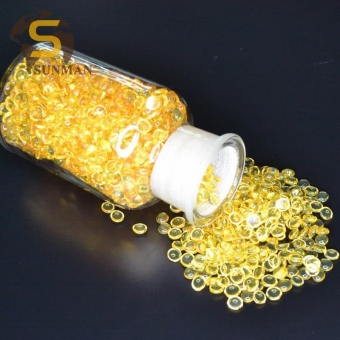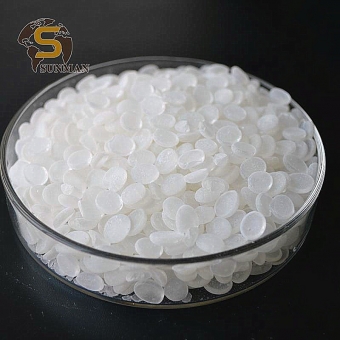

Why Flexible Packaging Inks Depend on Polyurethane Resin?
Oct 09, 2026Flexible packaging inks must deliver strong adhesion, high gloss, good flexibility, lamination and retort resistance, and smooth performance on high-speed presses. Polyurethane resin have become one of the most widely used binder systems because they meet these demanding requirements better than many alternative chemistries.
Flexible packaging is usually printed on plastic film and then laminated with other layers. PU resins adhere well to many plastic substrates, stay flexible through folding and handling, and resist the solvents and adhesives used in lamination. This makes them practical for applications ranging from dry snack packaging to retort pouches.
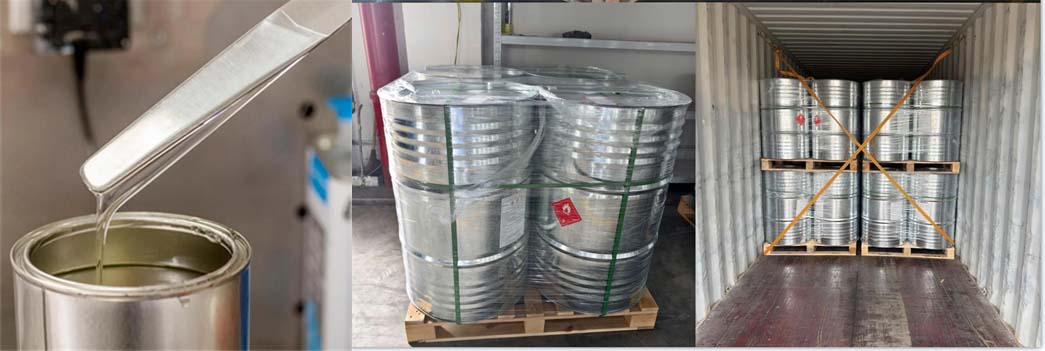
Key Performance Benefits:
Adhesion and lamination bond strength: Film-forming PU resins bond firmly with laminating adhesives, reducing the risk of delamination during storage, transport, or final use.
Gloss, color, and print quality: PU resins help pigments disperse evenly, delivering vibrant graphics and consistent color over long production runs.
Flexibility and mechanical stress: Printed films can bend and fold without cracking or losing adhesion, unlike more brittle resin systems.
Retort and heat resistance: Retort-grade PU resins maintain bond strength under high heat and pressure, helping prevent delamination or seal failure during sterilization.
NC-Free PU Inks and Sustainability
The shift toward nitrocellulose-free PU inks is growing because nitrocellulose raises concerns about flammability, storage safety, and supply stability. NC-free PU systems maintain flexibility, adhesion, and gloss while supporting lower solvent content and better recyclability.
Plasticized PU Resins for Laminating Adhesives
Plasticized PU resins improve the flexibility and bond strength of laminating adhesives, especially for frozen and refrigerated packaging. They remain flexible across a wide temperature range, helping protect package integrity throughout the cold chain.
Choosing the Right Grade
Sunman can supply different type PU resin. Formulators should consider molecular weight, solvent compatibility, film-forming speed, substrate, printing process, and end-use conditions. Working early with an experienced PU resin manufacturer can speed up grade selection and reduce costly trial cycles.
PU vs. Other Binders
Nitrocellulose, polyamide, and acrylic resins still serve specific or cost-sensitive applications. However, PU resins offer a strong balance of flexibility, lamination bond strength, and sustainability. The right choice depends on the packaging application’s cost and performance needs.
If you need more informations or TDS with different grade about PU resin, pls contact with us.



 IPv6 network supported